Music
On Ensemble Pygmalion's St. John Passion
05 APR 2026
Raphael Pichon finds a voice entirely his own in Bach's most dramatically ferocious passion setting.
There is a moment near the opening of Bach's Johannes-Passion. The very first bars of the opening chorus, "Herr, unser Herrscher" — where the music declares its intentions with something close to violence. The strings surge, the oboes cry and the chorus enters not with a lament but with a proclamation of sovereignty. Lord - the ruler of all realms- whose glory is magnificent in all the world. It is an odd beginning for a passion narrative: not grief but an exhibit of immense power. Not prayer but awe in the face of majesty even if the majesty is expressed through suffering.
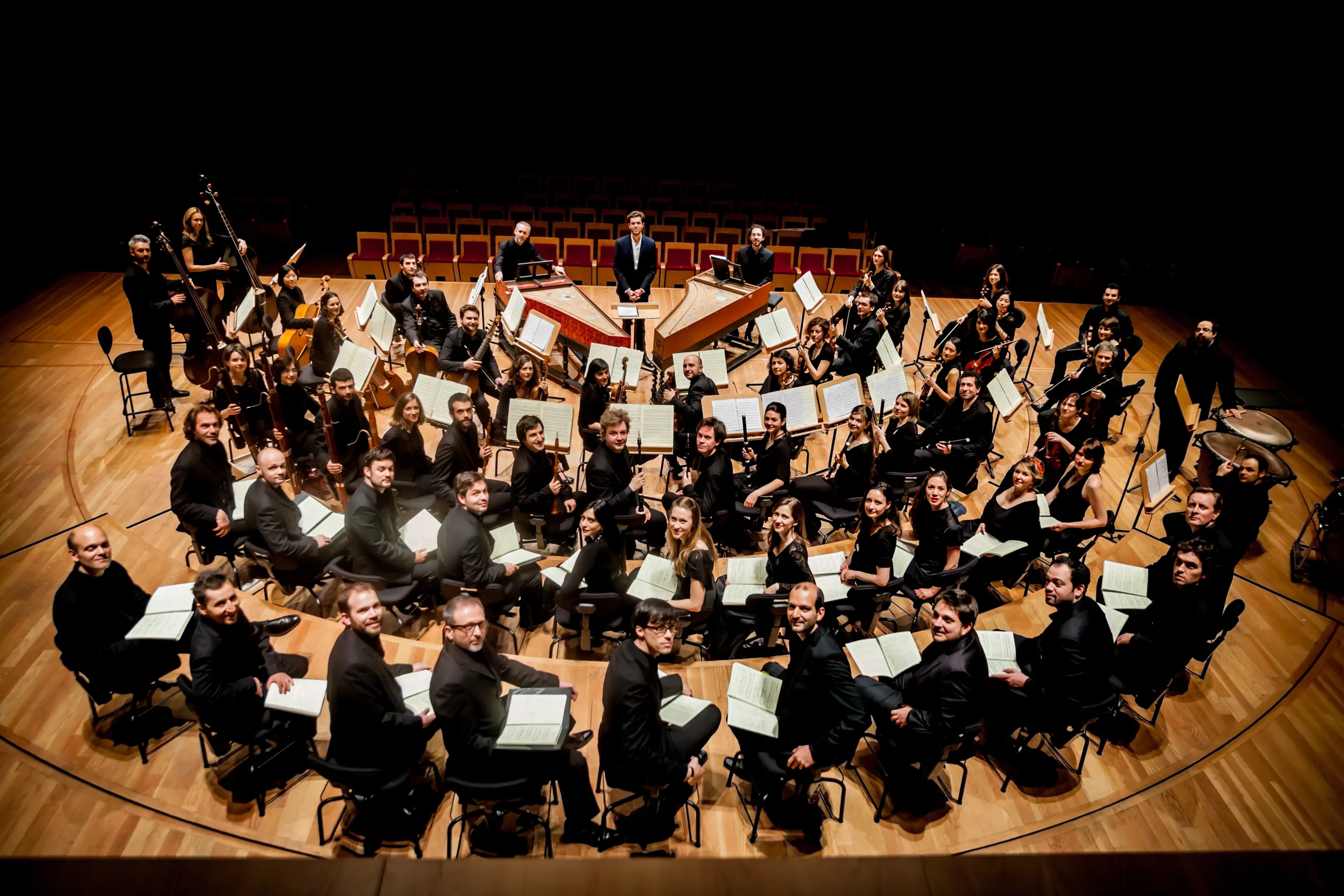
Raphael Pichon and Ensemble Pygmalion understand this deeply, and their 2026 recording of the Johannes-Passion released on Harmonia Mundi builds its entire interpretive vision from that contradiction. This is the St. John Passion read not as a meditation on sorrow but as a drama of divine authority, and the results are sublime.
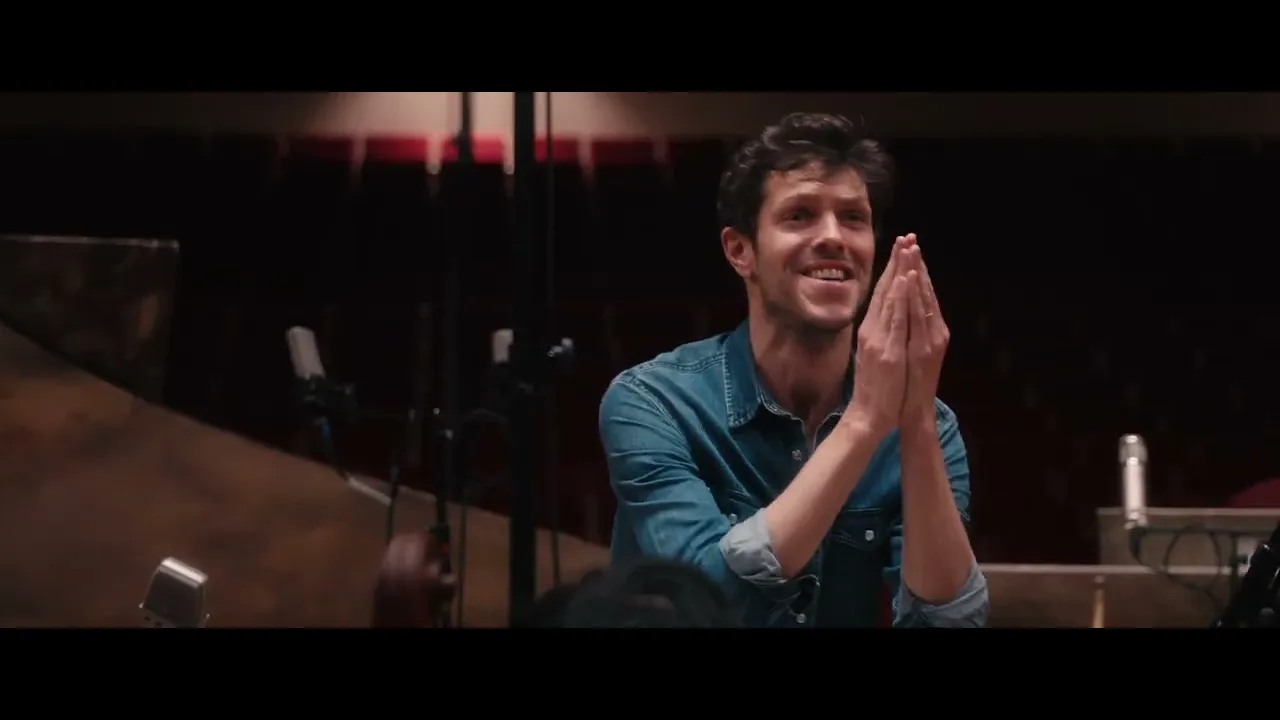
Watching Pichon conduct makes the music make more sense to me. He doesn't stand at the podium so much as inhabit it, arms pulling phrases out of the air, his face completely unguarded. I find his expressions almost impossible to look away from. You can see him mouthing the text mid-phrase, eyebrows raised like he's hearing it for the first time. That quality of genuine astonishment is rare in a conductor, and it transfers directly to the ensemble in my opinion.
His physicality is entirely in service of the music but also completely personal. The passion he brings to the podium is the same passion that makes this recording feel alive rather than archival, and I think that clip shows it better than I can describe it.
Why Pichon's approach works for me?
I came to this recording already a convert. Their 2022 Matthäus-Passion is something I return to constantly. I love it for its dynamism, for the way Pichon refuses to let the music become ceremonial. The vocal expression throughout that recording is immaculate. There's a sense that every singer is genuinely inhabiting the text, not just delivering it beautifully. For me that's the difference between a good performance and one that actually changes how you hear the piece.
The Johannes-Passion asks for something harder. The Matthew gives you room with arias that unfold over eight minutes, moments of tenderness, and comfort. The John doesn't offer much comfort. It moves fast, it pushes you. What I love about this recording is that Pichon doesn't try to smooth that over. The turba choruses feel genuinely unsettling. There's a real menace there that I haven't heard handled quite this way before.
The singers
I have to say something about Julian Prégardien's Evangelist, because it's one of the things I keep thinking about. The Evangelist's role is structurally unusual. He narrates the entire passion story, which means he's a reporter of events he also emotionally belongs to. Prégardien carries that contradiction in his voice throughout. He's not neutral. You can hear something like suppressed feeling in almost every phrase, and that quality makes the recitatives feel like testimony rather than exposition. It's a performance style I feel attached to.
Lucile Richardot's "Es ist vollbracht!" really gets me. There's a passage in the later section where the tempo suddenly bursts forward and the whole character of the aria transforms. That shift is one of the most exciting moments on the recording for me.
Richardot and the ensemble handle that shift with a vividness that reminds you this piece has fire in it, not just sorrow.
From the Matthew to the John
What this recording confirms for me is that Pichon and Pygmalion are genuinely building something over time. The Matthäus-Passion showed what they could do with scale and patience. This shows what they can do with intensity and compression. Two sides of the same interpretive sensibility.
There's no shortage of great St. John Passions on record. Herreweghe, Cleobury, Jacobs and the most brilliant of them all: Gardiner. I'm not saying Pichon's replaces any of them. What I am saying is that it does something distinct and that distinction matters. "Herr, unser Herrscher" sounds like an announcement, not a prayer, and that sets the tone for everything that follows. By the time you reach the closing "Ruht wohl, ihr heiligen Gebeine" ninety minutes later, that choice makes complete sense. Pichon reads this as a story about authority and sacrifice, not simply grief, and I think he's right to do so…
Highly recommended. Probably one of my favorite recordings of the year so far. Excited to see what awaits Pygmalion.
Next up, I'll be taking a close look at a tool that I think every vocal music enthusiast should know about. Stay tuned!